Advanced Neurosurgical Care for Complex Brain and Spine Conditions
Introduction
Hearing that you or someone you love needs a neurological evaluation can stop you in your tracks. Medical terms like neurosurgery, tumors, and aneurysms sound intimidating, and the internet often feels like a maze of confusing clinical jargon and overwhelming statistics. When you are searching for answers, you do not need a medical textbook or a sales pitch. You need clear, honest guidance from someone who understands how stressful this moment feels. Choosing where to go, knowing what questions to ask, and figuring out what happens next are challenges every family faces. This guide breaks down everything you need to know about navigating brain surgery hospitals and neurosurgical care in plain, simple English.
What Real Neurosurgical Care Entails
The brain is the most delicate and complex organ in the human body. Because of this, operating on or around it requires specialized expertise, precision tools, and a dedicated medical team.
Brain surgery hospitals are not standard medical centers. They are equipped with advanced operating rooms, dedicated neuro-intensive care units (neuro-ICUs), and specialized staff who manage complex neurological conditions every single day.
When people search for neurosurgery hospitals, they are usually looking for a facility that goes beyond general care. These specialized centers bring together neurosurgeons, neurologists, imaging experts, and critical care nurses under one roof to handle intricate procedures safely.
Common Conditions That Bring Patients to Specialists
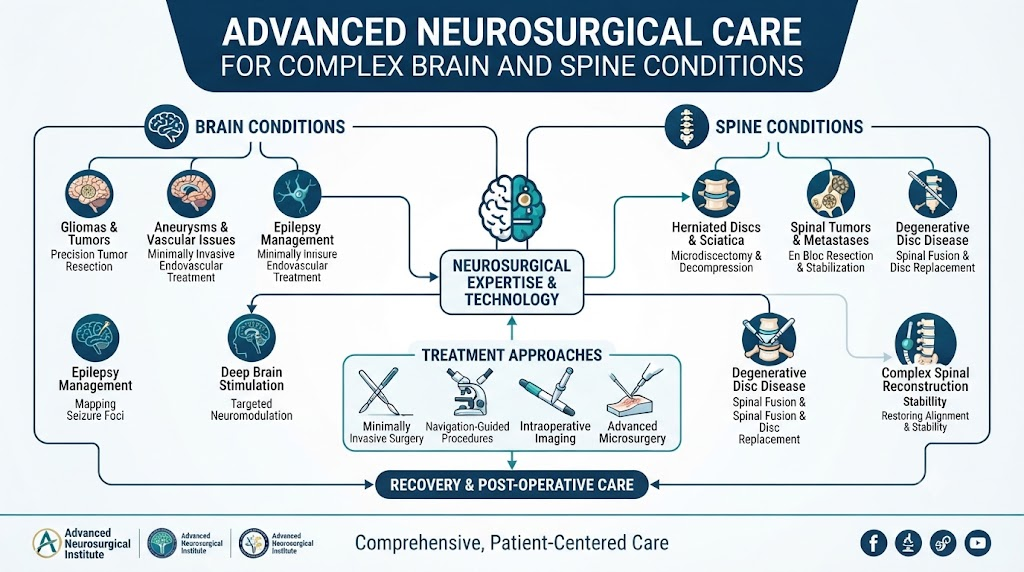
Neurological conditions can develop suddenly or show up gradually over time. While every diagnosis is unique, specialists regularly evaluate a few main categories of conditions:
- Brain Tumors: Abnormal growths in or around the brain tissue can be non-cancerous (benign) or cancerous (malignant). Treatment often involves a team approach with brain surgeons and cancer specialists.
- Brain Aneurysms: A weak spot in a blood vessel wall can balloon outward. Doctors monitor these carefully or treat them proactively to prevent dangerous bleeding.
- Epilepsy: When medication cannot control frequent seizures, patients may explore specialized epilepsy surgery to safely quiet the area of the brain causing the issue.
- Hydrocephalus: An unhealthy buildup of fluid inside the brain can create pressure, often requiring a specialized shunt or minimally invasive drainage procedure.
- Trauma and Vascular Issues: Severe head injuries or tangled blood vessels require immediate, emergency neurosurgical assessment.
When Is It Time to See a Neurosurgeon?
Most people do not wake up planning to see a neurosurgeon. Usually, the journey starts with a primary care doctor or a neurologist noticing something unusual on an MRI or CT scan. You might be referred to a specialist if you experience persistent, unexplained headaches, sudden neurological changes, vision problems, or unmanaged seizures.
A consultation with a neurosurgeon is simply an educational conversation. It does not automatically mean you are signing up for an operation. Specialists spend a lot of time exploring non-surgical options, medication adjustments, or careful observation when surgery isn’t the safest or most effective choice.
Understanding Your Treatment Options
Every patient’s brain, lifestyle, and medical history are entirely different. Because of this, treatment plans are never one-size-fits-all. When you meet with a specialist, they may discuss several paths:
- Watchful Waiting: For slow-growing or stable conditions, doctors often recommend regular scans to monitor changes rather than intervening right away.
- Medical Therapy: Medications can help control seizures, reduce inflammation, or manage symptoms before or after any physical intervention takes place.
- Open Surgery: Traditional microsurgical techniques allow surgeons direct access to safely remove tumors, clip aneurysms, or repair structural damage.
- Minimally Invasive Approaches: Using small keyhole incisions, endoscopes, or specialized catheters, doctors can sometimes reach deep areas of the brain with less disruption to healthy tissue.
- Rehabilitation: Recovery often involves physical, occupational, or speech therapy to help rebuild strength and cognitive skills.
Modern Surgical Techniques Explained
When surgery is the best path forward, medical technology plays a massive role in protecting healthy brain tissue.
Brain tumor surgery hospitals utilize advanced computer-guided navigation systems—much like a GPS for the brain—allowing surgeons to map out tumors precisely before making an incision. For vascular issues, specialists weigh traditional surgical clipping against catheter-based endovascular coiling.
Minimally invasive options have changed the landscape for many patients, offering smaller incisions and shorter hospital stays when anatomically possible. However, not every patient is a candidate for these techniques. A thorough evaluation by an experienced surgeon is the only way to determine which approach fits your specific anatomy.
What to Look for in a Brain Surgery Hospital
Choosing a medical facility is one of the most important decisions a family can make. Instead of relying on flashy marketing, look for concrete institutional strengths:
- Dedicated Neuro-ICUs: Post-operative care requires nurses and doctors who specialize exclusively in recovery after brain and spine procedures.
- Advanced Technology: Look for facilities with modern intraoperative imaging and navigation tools.
- Multidisciplinary Support: The best outcomes happen when neurosurgeons collaborate closely with neurologists, oncologists, and rehabilitation teams.
- Transparent Safety Standards: Check for low infection rates, strong nursing ratios, and clear quality metrics.
Finding the Right Neurosurgeon
The person holding the scalpel needs to be someone you trust implicitly. When you are evaluating brain surgeons and neurosurgeons, consider these practical guidelines:
- Board Certification: Ensure they have completed rigorous neurosurgical residency and relevant subspecialty training.
- Experience with Your Condition: Ask how frequently the surgeon treats your specific diagnosis.
- Communication Style: A great surgeon takes time to draw diagrams, explain risks in plain English, and answer every question without rushing you out the door.
Related resources you may find helpful
| No. | Suggested Sentence | Anchor Text | Target Page/URL | Why This Link Is Useful |
| 1 | Patients researching specialized care facilities can review structured institutional profiles on hospitals. | hospitals | https://brainsurgeryhospitals.com/hospitals/ | This page helps readers find verifiable information about neurosurgical facilities. |
| 2 | To understand the qualifications and background of medical specialists, families can explore detailed clinician profiles via doctors. | doctors | https://brainsurgeryhospitals.com/hospitals/ | This page provides factual details on credentialed neurosurgeons. |
| 3 | Readers seeking geographic care options can examine regional listings through locations. | locations | https://brainsurgeryhospitals.com/locations/ | This page organizes care options and medical logistics by country and city. |
| 4 | For a comprehensive overview of the platform’s independent evaluation standards, visitors can read the about page. | about | https://brainsurgeryhospitals.com/about/ | This page explains the mission and editorial policies behind the resource. |
The Power of a Second Opinion
If you are facing major brain surgery, getting a second opinion is not insulting your doctor—it is a smart, standard part of being your own advocate.
Another specialist might offer a slightly different perspective on timing, surgical approach, or alternative therapies. To make the most of a second opinion, gather all your digital imaging files (CDs or secure downloads), pathology reports, and clinical notes ahead of time. Walking away from a second consultation with confirmation or a new insight can give your family incredible peace of mind.
Organizing Your Records for a Consultation
Showing up prepared makes a huge difference during a high-stress medical appointment. Take a few minutes to put your paperwork together before you walk through the door:
- Bring actual digital copies of your MRI, CT, or PET scans rather than just written summaries.
- Keep a printed folder of all radiology and pathology reports.
- Make a complete list of every prescription, vitamin, and supplement you take.
- Write down a timeline of when your symptoms started and how they have changed.
- Jot down your questions ahead of time so you do not forget them in the exam room.
Questions to Ask Your Specialist
Do not hesitate to speak up during your appointment. Here are a few straightforward questions to help guide the conversation:
- What is my exact diagnosis, and what do these scans show?
- Why is surgery being recommended over other options?
- What are the specific risks and potential side effects of this procedure?
- What will my recovery look like in the hospital and at home?
- Will I need rehabilitation therapy after I am discharged?
- How many procedures like this do you perform each year?
- Would it be helpful to get a second opinion?
Frequently Asked Questions
What does a neurosurgeon treat?
Neurosurgeons diagnose and treat disorders of the brain, spinal cord, nerves, and blood vessels running through the central nervous system using both surgical and non-surgical methods.
When may a patient need brain surgery?
Surgery is usually considered when physical issues like tumors, aneurysms, severe trauma, or medication-resistant epilepsy require direct intervention to protect neurological health.
How should I choose a brain surgery hospital?
Look for hospitals with dedicated neuro-intensive care units, advanced imaging technology, experienced multidisciplinary teams, and a strong track record in specialized neurological care.
What should I ask a neurosurgeon before surgery?
Ask about your exact diagnosis, the goals of the procedure, potential risks, alternative treatments, expected recovery times, and the surgeon’s personal experience with your condition.
What is a neurosurgery second opinion?
A second opinion is an independent review of your medical records and scans by another qualified neurosurgeon to confirm your diagnosis and ensure the treatment plan is right for you.
When may minimally invasive brain surgery be considered?
Minimally invasive options are evaluated when a condition can be safely accessed through smaller ports or endoscopes without cutting through large areas of healthy brain tissue.
What information should I take to a neurosurgery consultation?
Bring all digital imaging files, recent lab and pathology reports, a detailed medication list, previous doctor notes, and a written list of questions.
How is brain tumor treatment decided?
Doctors look at the tumor’s type, size, location, genetic markers, and your overall health to decide whether surgery, radiation, medication, or observation is best.
What factors can affect recovery after brain surgery?
Recovery varies widely based on your age, baseline health, the complexity of the procedure, where the condition was located, and your participation in post-op rehab.
Why is specialist evaluation important before brain surgery?
An expert evaluation ensures you have an accurate diagnosis, a realistic understanding of risks, and access to the specialized equipment needed for complex brain procedures.
Conclusion
Facing a neurological condition is never easy, but you do not have to figure it all out alone. By gathering clear information, asking the right questions, and leaning on experienced medical specialists, you can take control of your healthcare journey. Taking things one step at a time helps turn uncertainty into confidence, ensuring you and your family find the right care path forward.
Leave a Reply